

 English
محتوى
لقد قمت بإخراج ماكينة التطريز من العلبة، وربطت قطعة من القطن، وضغطت على البداية، وخرج تصميم الاختبار بحلقات في الأعلى، وأعشاش في الأسفل، وإبرة مكسورة عند الغرزة 200. لقد مرت كل ماكينة تطريز بتلك الساعة الأولى. نادرًا ما تكون الآلة مخطئة؛ التحضير هو. ينقسم التطريز الآلي الموثوق به إلى أربعة متغيرات يمكنك التحكم فيها قبل أن تسقط الإبرة: الخيط الصحيح والشد، والخيط المناسب للتصميم، ومثبت مطابق للقماش، وطوق يحمل كل شيء بشكل مسطح ومربع. تعود معظم حالات فشل المبتدئين إلى لحظة واحدة: تم ربط الخيط العلوي مع القدم الضاغطة لأسفل، لذلك لا تغلق أقراص الشد أبدًا على الخيط. قم دائمًا بربط المسار العلوي مع رفع القدم الضاغطة، ثم خفضها قبل الغرز. يستحق مخطط الترابط الموجود في دليل جهازك اتباعه في كل مرة، حتى لو قمت بذلك مائة مرة؛ دليل واحد تم تخطيه يغير التوتر تمامًا. قم بلف المكوك بالتساوي بالسرعة الموصى بها؛ تخلق البكرة المتكتلة جانبًا سفليًا غير متساوٍ وتؤدي إلى أعشاش الطيور المألوفة على الجزء الخلفي من القماش. Use a bobbin thread designed for embroidery, not the same cone as the top thread. A lightweight 150D polyester bobbin thread lies flat on the back, prevents bulky nesting, and stops the bobbin from pushing the top thread out of alignment. Keep the bobbin tension at the factory setting unless the test stitch shows loops pulling to the surface. اضبط التوتر العلوي على القيمة الافتراضية للجهاز، والتي عادة ما تكون حوالي 4.0، وقم بتغييره رقمًا واحدًا في كل مرة. ضيق جدًا والقماش يتجعد؛ فضفاضة جدًا وحلقات الخيط العلوي. الشد الصحيح هو ببساطة الذي ينتج غرزة مسطحة ومتوازنة على القماش المحدد الذي تخطط لتطريزه. تحدد جودة الخيط عدد المرات التي تتوقف فيها عن إعادة الخيط. يتخلص الخيط الملتوي بشكل سيئ من الوبر، وينكسر بسرعة عالية، وينتج تغطية غير متساوية للألوان. تفضل محلات التطريز المحترفة استخدام البوليستر في صناعة الأجهزة القابلة للارتداء والمنسوجات المنزلية لأنه يحافظ على اللون من خلال الغسيل المتكرر ويقاوم الانثناء. يتمتع الرايون بلمعان أعمق، لكنه أضعف وأكثر حساسية للرطوبة. بالنسبة للتطبيقات التجارية التي تتطلب الغسيل المتكرر، يعد البوليستر هو الخيار الأكثر أمانًا؛ من الأفضل حجز الحرير الصناعي لفن الجدران وقطع العرض. الوزن يهم بقدر المواد. الخيط ذو الوزن 40 هو المعيار للحروف والأحرف والتعبئة المتوسطة. خيط سميك بوزن 30 وزنًا يغطي مناطق الساتان الجريئة بسرعة؛ خيط ناعم بوزن 60 وزنًا يناسب الحروف الصغيرة والتفاصيل الدقيقة. When buying thread, check color consistency between cones and twist balance. A smooth, tightly twisted filament thread runs cleanly at high needle speeds. Our 40-weight embroidery thread range is a dependable place to start; for high-speed machines, 120D/2 polyester embroidery thread gives the smooth, lint-free run that prevents slowdowns. يمنع المثبت النسيج من التمدد والتجعد والتشوه تحت آلاف اختراقات الإبر. عادةً ما تكون الغرز التي تم تخطيها والحواف الساتان المتموجة مشكلة في التثبيت، وليست مشكلة في الماكينة. A common mistake is treating tear-away as a universal option. On a knit fabric, tear-away removes the support the stitches need, so the design puckers after the first wash. For dense designs, use a firmer stabilizer or add a second layer. For freestanding lace, a 90°C hot-water-soluble non-woven fabric holds the stitches during stitching and disappears completely after a warm-water rinse, leaving clean edges. يجب أن يبدو القماش الموجود في الطوق وكأنه رأس طبلة: فهو محكم بدرجة كافية لمقاومة دفع الإبرة للأسفل، ولكن ليس مشدودًا بدرجة كبيرة بحيث يتشوه النسيج. إذا أظهر القماش المنسوج خطوطًا متموجة بعد الطوق، فسيتشوه التصميم بغض النظر عن مدى جودة الخيط. يعتبر الطفو مفيدًا للمناشف السميكة أو الحرير الزلق، لكن بالنسبة لمشروعاتك الأولى، قم بربط القماش والمثبت معًا. تذكر أن الطوق ينفك أثناء الغرز. إذا بدأ النسيج يشعر بالارتخاء، فتوقف وأعد الطوق وابدأ من جديد؛ إن خسارة الوقت الطفيفة أرخص بكثير من الثوب المدمر. قم دائمًا بخياطة قطعة اختبار. يكلف أربع دقائق ويوفر ساعات من التفكيك. استخدم ملف التصميم الدقيق وألوان الخيوط والنسيج والمثبت والإبرة المخططة للقطعة النهائية. إبر التطريز مهمة أكثر مما يتوقعه المطرزون الجدد. استخدمي إبرة تطريز حادة للأقمشة المنسوجة وإبرة ذات رأس كروي للحياكة. استبدل الإبرة بعد كل مشروع أو كل ثماني ساعات من الخياطة؛ إبرة مملة تكسر الخيوط وتتخطى الغرز. تعمل هذه الاختبارات على حل معظم حالات الفشل في الأشهر الستة الأولى. بمجرد ترتيب الخيط والمثبت والطوق، تصبح الماكينة قابلة للتنبؤ بها: نفس الإعداد ينتج نفس جودة الغرزة في كل مرة. Machine embroidery rewards a methodical workflow. Start with a dependable 40 wt polyester thread, stabilize the fabric correctly, hoop without distortion, and run a test before every real project. Keep a note of the settings that work for each fabric family. Whether you stitch on a domestic model or plan to scale to a production floor, the logic stays the same; if you are using a household machine, this guide to home embroidery machine use covers the setup details specific to those models.
قم بإعداد الماكينة بشكل صحيح قبل الخياطة
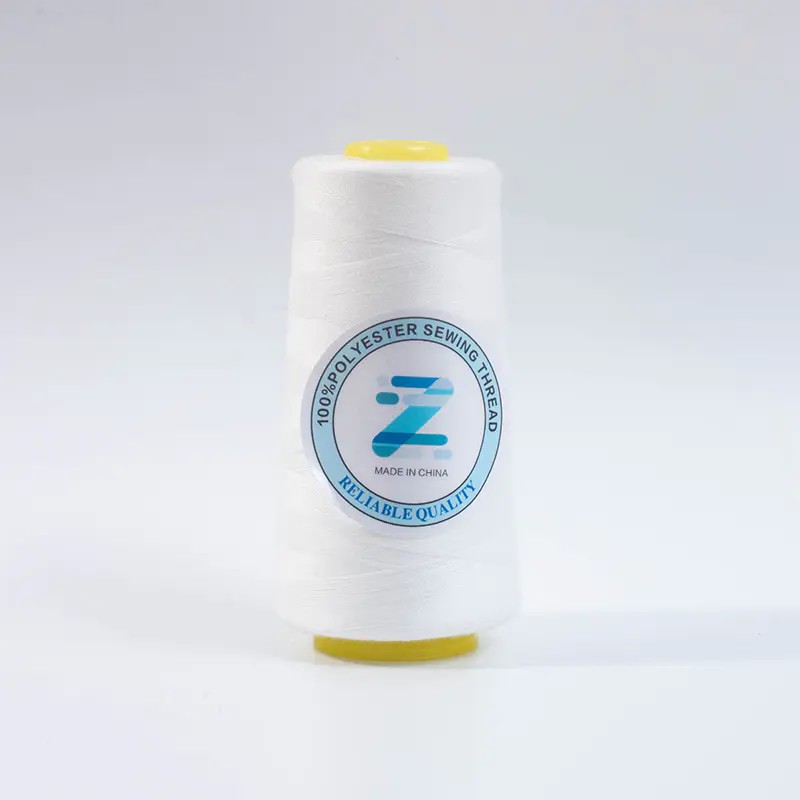
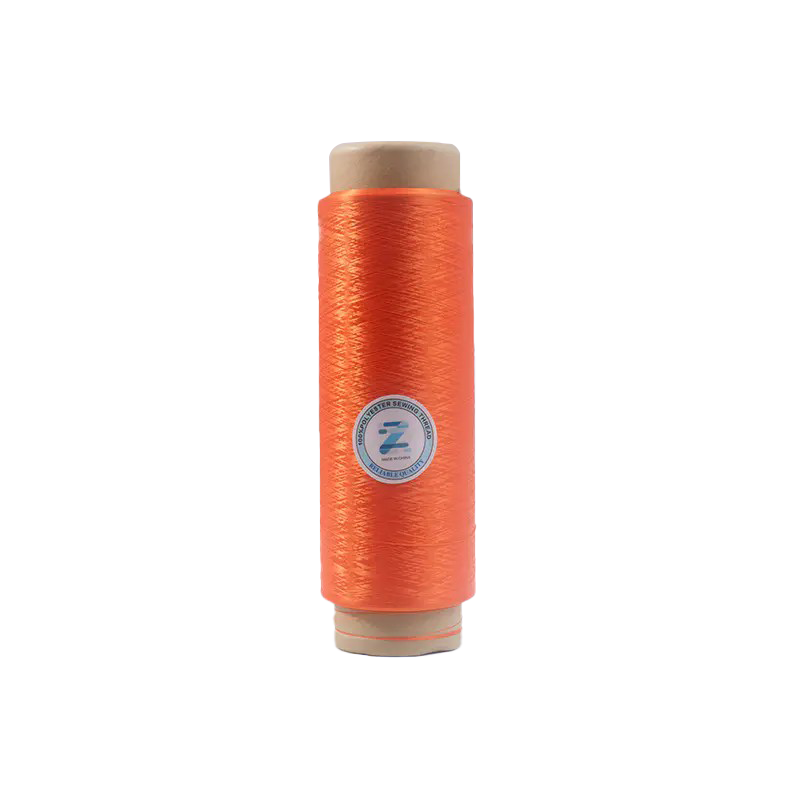
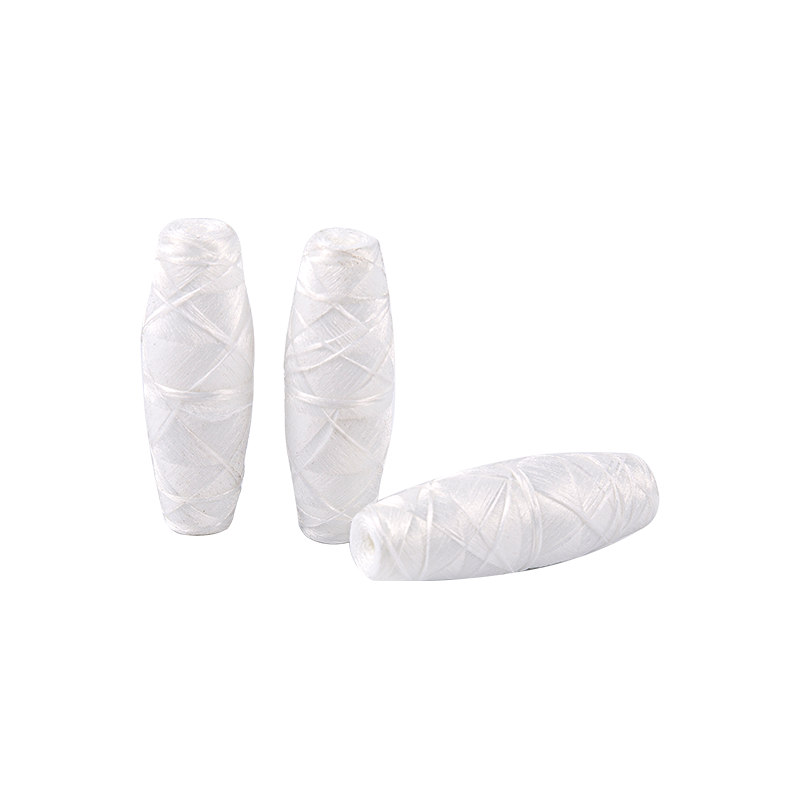 Wholesale 150D Polyester Bobbin Thread,P10 Suppliers, Factory - Shaoxing Qiufei Shaoxing Qiufei Textile Technology Co., Ltd is China wholesale 150D Polyester Bobbin Thread,P10 manufacturers and factory, details:The sm...View Product →
اختر خيط التطريز المناسب للتصميم
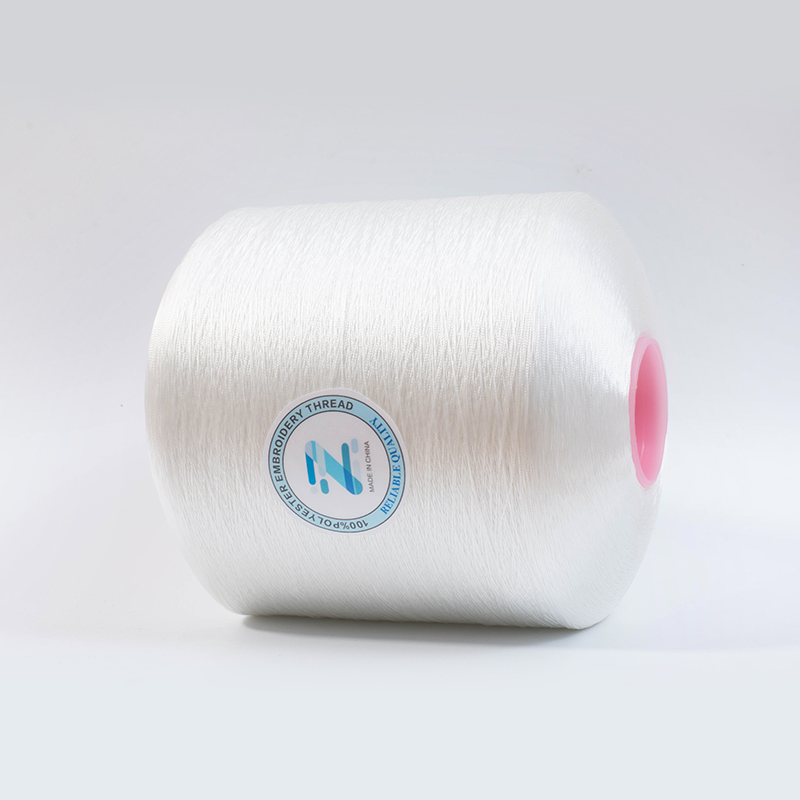
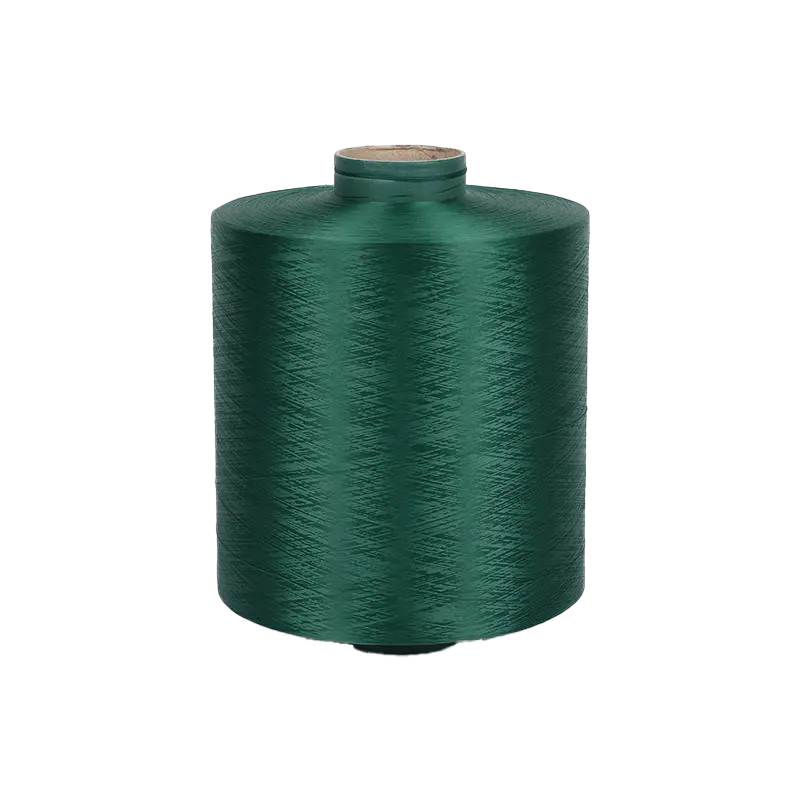
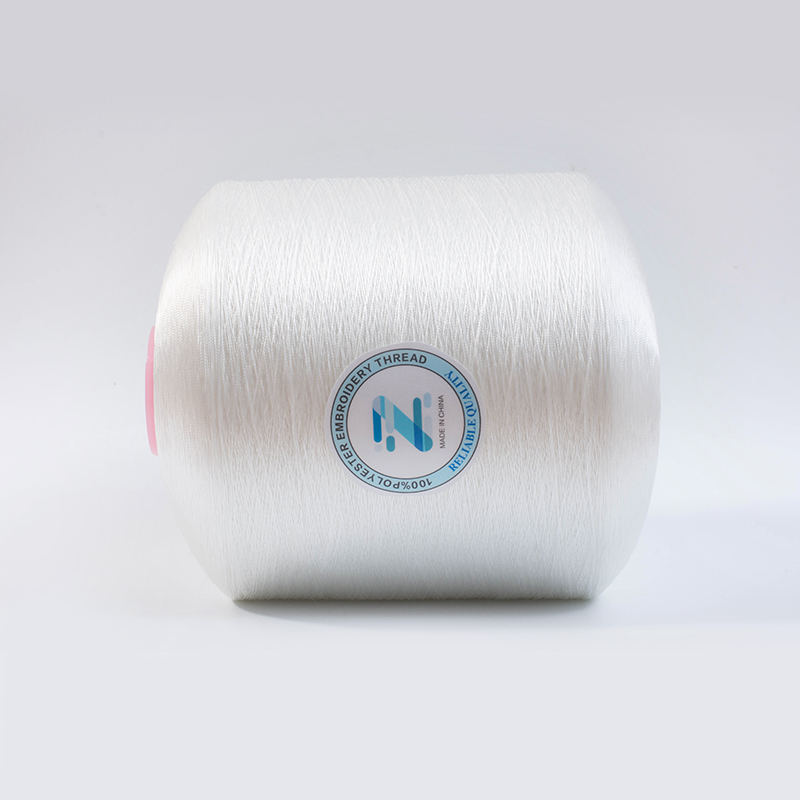
 Wholesale Polyester Filament Embroidery Thread 120D/2 Suppliers, Factory - ShaoxShaoxing Qiufei Textile Technology Co., Ltd is China wholesale Polyester Filament Embroidery Thread 120D/2 manufacturers and factory, det...View Product →
قم بمطابقة المثبت مع القماش
Stabilizer type Best for How to remove
Tear-away Stable woven fabrics such as cotton poplin, denim, and linen Tear it away from the design after stitching
Cut-away Knits, stretchy fabrics, and anything with give Trim close to the stitches with scissors; backing stays permanently
Water-soluble Freestanding lace, sheer fabrics, and projects where no backing may remain Dissolve in warm water
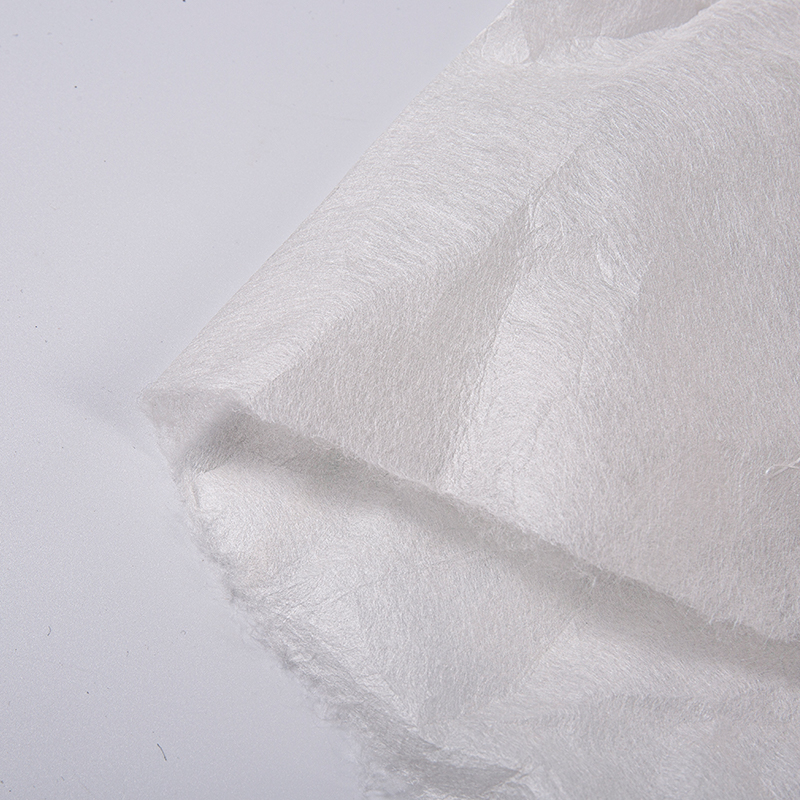 Embroidery Water Soluble Non Woven Fabric Suppliers, FactoryAs China Water Soluble Non Woven Fabric Suppliers and Factory, Shaoxing Qiufei Textile provide wholesale 90C Hot Water Soluble Non Woven ...View Product →
قم بطي القماش بحيث يبقى مسطحًا ومربعًا
قم بإجراء اختبار، ثم اقرأ ما تخبرك به الآلة